If you find Pilates more engaging‚ its focus on precision and controlled movements might lead to greater adherence. If you prefer the dynamic flow and mindfulness aspects of yoga‚ that might be a more sustainable choice. Individual preferences and physical limitations should guide the decision. In this article, we’ll break down the key differences between Pilates and yoga, how each one affects your body, and most importantly, which one is better for core strength and weight loss.
The rapid pace of Vinyasa yoga helps increase the heart rate, making it a great option for those looking to burn calories and lose weight. The dynamic movements in this style of yoga mimic a cardio workout, which can lead to significant calorie expenditure. When it comes to weight loss, certain yoga styles are more effective than others. Vinyasa Flow, Ashtanga, and Hot Yoga are considered to be the most physically demanding and calorie-intensive yoga styles, making them ideal for weight loss. These styles incorporate dynamic movements, rapid transitions, and longer holding times, which can increase heart rate, challenge the muscles, and boost metabolism. Both yoga and Pilates can be used for weight loss, but they may not be as effective as other forms of exercise, such as cardio-intensive activities, when it comes to rapid weight loss.
This low-impact practice is often used as a form of rehabilitation, as well as a tool for improving overall physical fitness. That being said, Pilates can also be very relaxing and calming, especially if you focus on the slower, more controlled movements, and the emphasis on core engagement and body awareness. Additionally, Pilates can also help reduce stress and anxiety by releasing tension in the muscles, improving posture, and boosting mood. Ultimately, the best practice for stress relief and relaxation is the one that resonates with you the most, and that you can commit to practicing regularly. So, which exercise is better for weight loss, Pilates or yoga?
Best Option for Malaysians with Busy Lifestyles
Yoga is perhaps more well-known for its stress-reducing benefits, and for good reason. Yoga combines physical postures, breathing techniques, and meditation to promote relaxation and reduce stress. Yoga can help lower cortisol levels, improve mood, and enhance overall well-being, making it an ideal exercise for those who need to manage stress. Yoga, on the other hand, is an ancient practice that originated in India over 5,000 years ago. It combines physical postures (asanas), breathing techniques (pranayama), and meditation to promote physical, mental, and spiritual well-being. Yoga involves holding poses for extended periods, flowing between poses, and using breathing techniques to relax and focus the mind.

The Verdict: Yoga or Pilates for Weight Loss?
Ultimately, combining elements of both practices can provide a more comprehensive approach to weight loss and overall well-being. Pilates, on the other hand, is a physical fitness method developed by Joseph Pilates in the early 20th century. It focuses on building core strength, improving flexibility, and enhancing posture through a series of controlled movements that engage the mind and body. Pilates emphasizes proper alignment, breathing, and flow, aiming to create a strong, lean, and agile body. While both yoga and Pilates offer a range of benefits for weight loss, yoga appears to be the better choice. The intensity level, caloric burn, and focus on mental wellness make it an ideal practice for those looking to shed pounds and improve overall health.
Part 1: A Micro-Level Comparison: Specific Exercises and their Impact
If you’re looking for a more intense workout that can help you burn calories and build muscle, Pilates may be the better choice. However, if you’re looking for a more gentle, low-impact exercise that can help you reduce stress and improve flexibility, yoga may be the way to go. Yes, it’s absolutely possible to combine Yoga and Pilates into your fitness routine! In fact, many studios and gyms offer classes that blend elements of both practices.
Does Pilates Build Muscle?
One could say that through pilates and learning to breathe better, you’d have lower cortisol—and thus, stress—levels, something that can help you lose weight,” Brennan says. You also might hear the term “athletic Pilates,” but that is usually a description of the pace, says Sonja R. Price Herbert, a certified Pilates instructor and founder of Black Girl Pilates. Yoga’s emphasis on mindfulness and relaxation techniques effectively manages stress‚ a significant contributor to weight gain. Chronic stress elevates cortisol levels‚ a hormone that promotes fat storage. By reducing stress‚ yoga can indirectly support weight loss goals. Furthermore‚ yoga can positively influence other hormonal factors related to metabolism and appetite regulation.
Winner for Weight Loss: Yoga (specifically Power or Vinyasa)
- Pilates allows practitioners to engage their minds while conditioning their bodies.
- It boils down to a few aspects, such as preference, goal, or need.
- However, yoga’s holistic approach to wellness, emphasis on flexibility, and stress-reducing properties should not be discounted.
- Moreover, combining yoga and Pilates can help prevent plateaus and reduce the risk of overuse injuries, as it allows you to alternate between low-impact and high-intensity exercises.
- Improved flexibility is another key benefit of yoga, contributing not only to better physical health but also to weight loss.
- This then means you will lose weight from cardio and also lose weight from these two low-impact exercises.
That’s why yoga or pilates for beginners often depends on personality as much as fitness. People talk a lot about yoga benefits, but what they usually mean is simpler than that. You leave feeling like there’s more room inside your body. Sometimes emotionally lighter too, which can catch you off guard if you only showed up hoping to stretch your hips. It blends movement, breathing, and awareness into one experience.
What I Figured Out About the Differences
Pilates is a low-impact workout that focuses on strength, stability, and controlled movement. It was created in the early 20th century by Joseph Pilates and was originally used to help injured dancers recover and get stronger. Now that we’ve explored the benefits of each practice, let’s directly compare yoga and Pilates for weight loss.
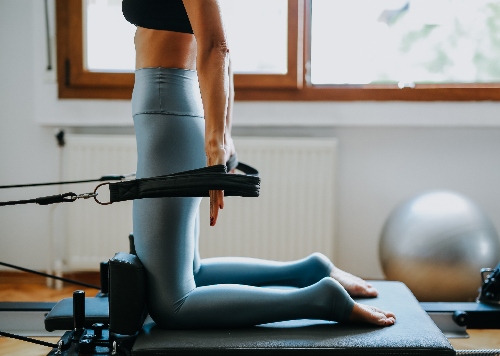
It is designed to stretch, strengthen, and balance the body through specific exercises and focused breathing. Types of Pilates include mat and reformer — which uses a special exercise machine with a sliding platform and cables. For instance, an hour of one of the most popular yoga classes, Hatha yoga, will burn approximately 298 calories for a 155-pound person.
Foam Roller Exercises To Help You Lose Weight And Sculpt Your Body At Home!
Mindfulness and deep breathing are key features in a yoga practice. Although there are many different types of yoga, holding various poses and flowing through different series of movements is standard in most classes. This brings increased awareness to the breath and energy.
Yoga: A Holistic Approach
In summary, Pilates offers a comprehensive approach to weight loss by building core strength, improving posture, and aiding in calorie burn. Its focus on controlled movements and muscle engagement makes it an effective component of a balanced weight loss strategy. Yoga is a holistic practice that originated in India over 5,000 years ago, focusing on reviews for unimeal physical postures, breathing techniques, and meditation to promote physical, mental, and spiritual well-being.
Yoga and Pilates: A Weight Loss Comparison
The deep stretching postures, combined with mindful breathing, help increase mobility and reduce tension in the muscles. When it comes to mastering balance, there is a debate between Pilates vs yoga. Yoga is better for balancing as it offers more poses focused on slow, precise movements. Shifting between poses can significantly help tone muscles used to keep us stable. Yoga has also been known to improve equilibrium receptors in the inner ear by stretching muscles and exploring the body’s center of gravity.